


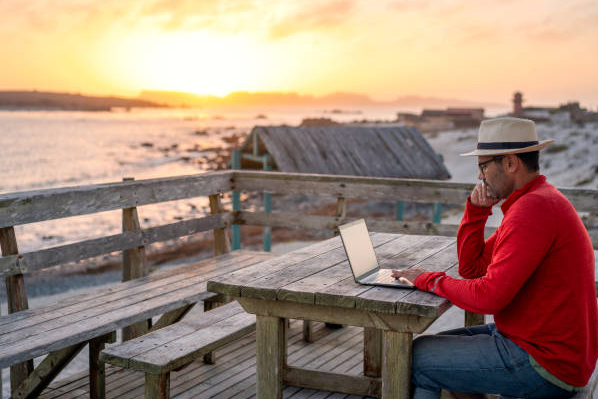
The rise of remote work in recent years has led to a surge in people adopting the “digital nomad” lifestyle. This involves people traveling and working, allowing them to see the world and enjoy a highly flexible lifestyle. Whilst there are clear benefits to this way of living and working, there are also inherent digital risks in working online and border-hopping. Keep reading to find out more.
Every Country has Different Data Laws
First, it is important to be aware that every country has its own data laws. This means that there are different rules around how data is collected, stored, and used, which can influence factors like government access and digital surveillance. This means that you may face less privacy protection compared to back home, which is why you should always learn about the data laws in each new country and take steps to protect your data online.
Public Wi-Fi is a Hacker’s Playground
A digital nomad often relies on public Wi-Fi, whether this is a hotel, cafe, library, airport, or co-working space. These networks are often unsecured, which could expose your traffic and data to cybercriminals. Public Wi-Fi could allow a hacker to access your emails, banking information, cloud documents, and more. This is why digital nomads should always be cautious when using public Wi-Fi and use a VPN to shield their activity
Your iPhone is Your Office – Treat it That Way
Digital nomads also often use their iPhones for work, which can involve tasks like messaging clients and colleagues, joining video calls, and accessing data. Therefore, you must make smartphone security a top priority, particularly with cybercrime on the rise. Using a free VPN for iPhone is smart, as this will encrypt your traffic and protect your data from snooping on public Wi-Fi, allowing you to move between hotels, cafes, and airports without worrying about your important business data.
Keeping Clients’ Data (and Your Own) Safe
Finally, you need to know how to protect important data on the move. This means using encrypted cloud storage, keeping software and apps up to date, and using strong passwords and MFA for all work accounts. You should also lock your devices with biometrics and regularly back up sensitive data to an external device.
The digital nomad lifestyle offers many advantages, but there are also dangers and risks involved. The advice in this post will help you address these concerns so that you can protect yourself and your important data and reap the benefits of being able to travel and work at the same time.