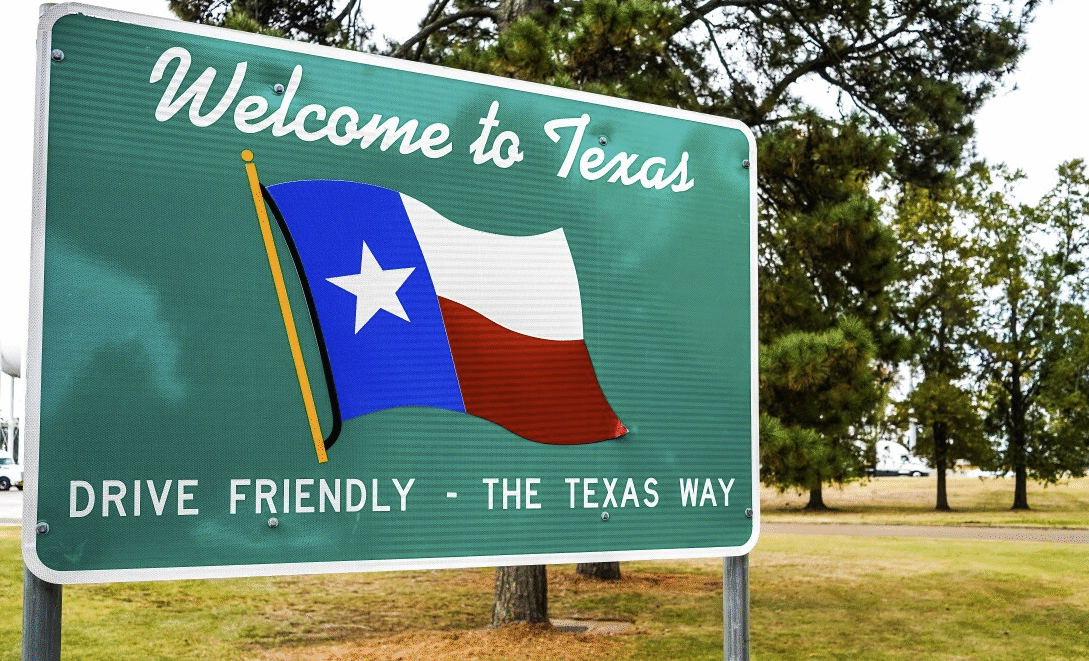
Strange Texas laws could make you an accidental traffic violator. Texas law considers driving without windshield wipers illegal – even if your car lacks a windshield! Most drivers remain unaware of these bizarre traffic regulations that could lead to unexpected tickets during their daily commutes.
Your car keys left in an unattended vehicle’s ignition won’t just invite theft – it breaks the law. Texas driving regulations demand setting your parking brake before leaving your vehicle, whatever the surface. Local municipalities add their own puzzling rules to these state mandates. Richardson’s complete ban on U-turns serves as a prime example. These and other perplexing Texas road rules might make you think twice about your driving habits.
Weird Vehicle Operation Laws in Texas
Texas has some truly mind-boggling road rules that might surprise you. The most confusing one? You don’t need a windshield on your vehicle, but you must have working windshield wipers! The Texas Transportation Code states that all vehicles must have wipers that are in good working condition.
Here’s something to keep in mind: leaving your car with the keys in the ignition is against the law, and it’s considered a safety issue because an unattended vehicle can become a theft risk quickly. This rule aims to prevent theft and comes with a Class C misdemeanor charge. Violators can face fines up to $500. The rule doesn’t affect newer vehicles that use keyless ignitions or push-button starts.
The state’s car door rules might raise some eyebrows too. San Antonio’s laws are strict about this – you can’t open your vehicle’s doors while moving or even stopped at a traffic light.
On top of that, tailgating isn’t just dangerous – it’s illegal under Texas Transportation Code § 545.062. Drivers must keep enough distance between vehicles to stop safely without crashing. Breaking this rule can cost you $200 and add two points to your driving record.
A cracked windshield might land you in trouble too. While it’s not directly illegal, you could get a ticket if the damage blocks your view.
Parking and Stationary Vehicle Laws You Didn’t Know
Texas has some pretty strange parking rules that might make you do a double take. The state law says you must set your parking brake every time you leave your vehicle, whatever the surface – flat ground or steep hill. Skip this step and you might end up with a ticket from the police.
Some Texas cities take these rules to another level. Dallas makes it illegal to park more than 18 inches from the curb. The state also bans parking on the wrong side of the street where you face against traffic – a rule many locals tend to forget.
You better watch out for overnight parking too. Many Texas cities won’t let you park on public streets between midnight and 5 AM unless you have special permits. This rule especially catches tourists off guard.
The list of quirky parking laws goes on. Port Arthur doesn’t allow you to back into parallel parking spots on main streets. Richardson takes it even further – the city has banned U-turns at all intersections.
Texas state law adds one more safety rule to the mix. When parking on hills, turn your wheels toward the curb going downhill and away from it going uphill. Ignore this rule and you might find a ticket on your windshield.
City-Specific and Animal-Related Laws
Texas cities have enacted their own strange driving laws that go beyond statewide regulations and vary dramatically by location. Drivers in El Paso must give a little honk when passing another car, though authorities rarely enforce this peculiar requirement.
The most unusual animal-related driving law exists in Texarkana. The law requires horses to be equipped with taillights for nighttime riding. This odd regulation comes from the Texas Transportation Code. The code states that “a person riding an animal on a roadway or operating a vehicle drawn by an animal” must follow the rules for vehicle operators.
Texas’s livestock liability laws add more complexity to the situation. The animal’s owner is responsible for damages resulting from vehicle-livestock collisions on federal and state highways. Liability rules change on county roads based on “open range” or “closed range” designations. Texas features a complex patchwork of these designations that shifts between counties and even within a single county’s different areas.
Richardson’s local laws prohibit U-turns and prohibit displaying “For Sale” signs on vehicles visible from the street. The state’s livestock laws specifically cover cattle, horses, donkeys, sheep, goats, and domestic turkeys.
Conclusion
Texas has some of the strangest driving laws that most residents discover only after getting a ticket. People drive on Texas roads every day without knowing these odd regulations that control their actions behind the wheel. Without doubt, these laws serve real safety purposes despite their peculiar nature. One of the most bizarre rules requires drivers to have working windshield wipers even if their vehicle doesn’t have a windshield.
Learning about these unusual traffic rules reveals how Texas blends practical safety with puzzling requirements. The state’s rural areas create extra challenges through livestock-related driving laws. A driver’s responsibility in animal accidents depends on whether they’re in “open range” or “closed range” counties.
Local city rules make things even more complicated. You can’t make U-turns in Richardson at all. El Paso’s law books still say drivers should honk when passing other vehicles. The most unusual rule comes from Texarkana, where horses need taillights for night riding!
Your next drive through the Lone Star State might be different now that you know these odd rules. Law enforcement might not actively look for people breaking the stranger laws, but knowing them could help you avoid an unexpected fine. Texas’s driving regulations are just like the state – unique and surprisingly complex. These unusual rules about parking, vehicle operation, and animals show how the state’s legal system has evolved throughout Texas’s history.